More graduates but fewer jobs: India's youth faces a harsh reality | Current Affairs | Vision IAS

Upgrade to Premium Today

Start Now
MENU
Home
Quick Links

High-quality MCQs and Mains Answer Writing to sharpen skills and reinforce learning every day.

Watch explainer and thematic concept-building videos under initiatives like Deep Dive, Master Classes, etc., on important UPSC topics.

A short, intensive, and exam-focused programme, insights from the Economic Survey, Union Budget, and UPSC current affairs.

ESC

Daily News Summary

Get concise and efficient summaries of key articles from prominent newspapers. Our daily news digest ensures quick reading and easy understanding, helping you stay informed about important events and developments without spending hours going through full articles. Perfect for focused and timely updates.

News Summary

Sun Mon Tue Wed Thu Fri Sat

More graduates but fewer jobs: India's youth faces a harsh reality

26 Mar 2026
2 min

State of Working India 2026 Report: Key Highlights

Overview

The "State of Working India 2026" report by Azim Premji University highlights significant challenges in job absorption among India's youth, particularly graduates. With 367 million individuals aged 15-29, integrating this educated workforce into the labor market is crucial for India's economic prospects.

Graduate Unemployment

  • Nearly 40% of graduates up to age 25 and about 20% of those aged 25-29 are unemployed.
  • The problem has persisted due to a sharp increase in graduates, with about 5 million added annually between 2004 and 2023, compared to only 2.8 million employed.
  • As of 2023, around 11 million out of 63 million graduates aged 20-29 were unemployed.
  • The main issue is the lack of salaried jobs, not education itself.

Job Market Trends

  • India added 83 million jobs between 2021-22 and 2023-24, but nearly 40 million were in agriculture, indicating a trend towards informalization.
  • Much of the increase came from women entering self-employment or agriculture with low earnings.
  • Salaried earnings and the graduate earnings premium have stagnated, suggesting a mismatch between graduate supply and job creation.

Education System Challenges

  • Expansion of higher education institutions from 1,644 at the time of liberalization to over 70,000 today has often compromised quality.
  • Many graduates lack market-relevant skills, and regional disparities persist, with states like Bihar and Jharkhand lagging.
  • While access to higher education is more democratized, financial barriers remain, with wealthier students dominating high-paying fields.

Social and Policy Implications

  • Caste- and gender-based occupational segregation has declined, and migration has increased as young people seek opportunities in more developed states.
  • India's employment challenge involves not just job creation but ensuring quality jobs.
  • There is a need for better alignment between education and industry demand, enhanced vocational training linked to local industry, and improved job-matching systems like the National Career Service.
  • The manufacturing sector's underperformance is a key factor in job creation challenges.
  • The report underscores the importance of translating educational enrolment into employment as India's demographic dividend approaches its peak around 2030.

Explore Related Content

Discover more articles, videos, and terms related to this topic

RELATED VIDEOS

3
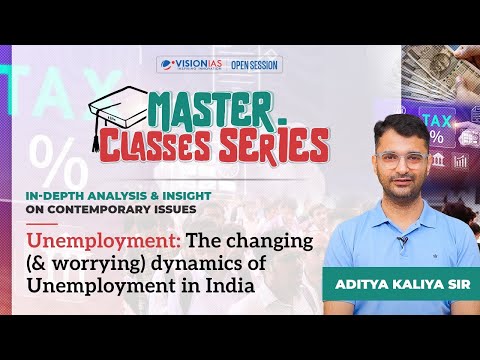
Unemployment: The changing (& worrying) dynamics of Unemployment in India

Unemployment: The changing (& worrying) dynamics of Unemployment in India

YouTube HD
Circularity in Textile Structure

Circularity in Textile Structure

YouTube HD
Growth of Tier 2 and Tier 3 Cities in India

Growth of Tier 2 and Tier 3 Cities in India

YouTube HD

RELATED TERMS

3

National Career Service (NCS)

An Indian government initiative aimed at connecting job seekers with employers, providing career counseling, and facilitating job matching, with the goal of improving employment outcomes.

Demographic Dividend

The economic potential that arises from a large, working-age population relative to dependents. India aims to transform this into human capital through education and skill development.

Graduate Earnings Premium

The difference in earnings between individuals with a college degree and those with only a high school education, reflecting the economic advantage of higher education.

Title is required. Maximum 500 characters.

Search Notes

Filter Notes

Loading your notes...
Searching your notes...
Loading more notes...
You've reached the end of your notes

No notes yet

Create your first note to get started.

No notes found

Try adjusting your search criteria or clear the search.

Saving...
Saved

Please select a subject.

Referenced Articles

linked

No references added yet