
UN High Seas Treaty comes into force | Current Affairs | Vision IAS
MENU
Home

Periodically curated articles and updates on national and international developments relevant for UPSC Civil Services Examination.

Quick Links

High-quality MCQs and Mains Answer Writing to sharpen skills and reinforce learning every day.

Watch explainer and thematic concept-building videos under initiatives like Deep Dive, Master Classes, etc., on important UPSC topics.

ESC

In Summary

  • The Biodiversity Beyond National Jurisdiction (BBNJ) Agreement is a UN treaty adopted in 2023 to conserve marine biodiversity in global common oceans beyond national waters.
  • It addresses marine genetic resources, area-based management tools, environmental impact assessments, and capacity-building, establishing a funding mechanism and institutional arrangements.
  • 83 nations have ratified the BBNJ Agreement, which serves as the third implementing agreement to UNCLOS, aiming for conservation and sustainable use of ABNJ.

In Summary

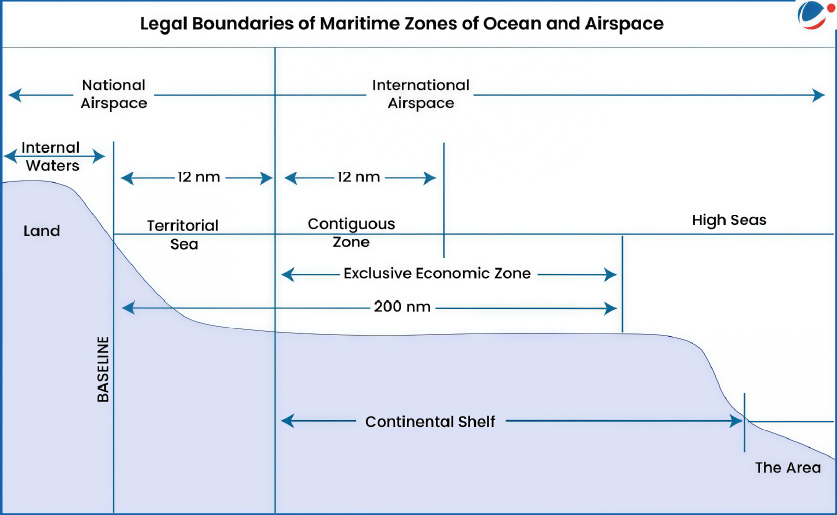
Officially known as the Biodiversity Beyond National Jurisdiction (BBNJ) Agreement, the legally binding UN treaty covers the ocean zones that lie beyond national waters (namely, the “high seas”) and the international seabed area.

  • These regions are global common oceans open to all for purposes such as navigation, overflight, laying submarine cables, pipelines etc. and make up over two-thirds of the ocean’s surface.

About BBNJ Agreement

  • Adopted in 2023 by the Intergovernmental Conference on Marine Biodiversity of Areas Beyond National Jurisdiction convened under the auspices of the United Nations.
    • It becomes third implementing agreement to UNCLOS, in addition to 1994 Part XI Implementation Agreement and 1995 UN Fish Stocks Agreement.
  • Objective: Ensure the conservation and sustainable use of marine biological diversity of areas beyond national jurisdiction (ABNJ).
  • It addresses four main issues:
    • Marine genetic resources, including the fair and equitable sharing of benefits 
    • Measures such as area-based management tools, including marine protected areas
    • Environmental impact assessments 
    • Capacity-building and the transfer of marine technology 
  • It establishes a funding mechanism and sets up institutional arrangements, including a Conference of the Parties, a Clearing-House Mechanism and a secretariat.
  • Members: 83 nations have ratified the treaty. India signed the agreement but is yet to ratify.
Watch Video News Today

Explore Related Content

Discover more articles, videos, and terms related to this topic

RELATED VIDEOS

1
Role of Indian Diaspora in Making India Self-Reliant

Role of Indian Diaspora in Making India Self-Reliant

YouTube HD

RELATED TERMS

3

Clearing-House Mechanism

An institutional arrangement established by the BBNJ Agreement to facilitate the exchange of scientific, technical, legal, and other information related to the conservation and sustainable use of marine biodiversity in areas beyond national jurisdiction.

Area-Based Management Tools (ABMTs)

Measures used to manage marine biodiversity in specific geographical areas, including Marine Protected Areas (MPAs). The BBNJ Agreement incorporates these tools for conservation purposes in areas beyond national jurisdiction.

Marine Genetic Resources (MGRs)

Genetic material from marine organisms found in areas beyond national jurisdiction. The BBNJ Agreement emphasizes the fair and equitable sharing of benefits derived from these resources.

Title is required. Maximum 500 characters.

Search Notes

Filter Notes

Loading your notes...
Searching your notes...
Loading more notes...
You've reached the end of your notes

No notes yet

Create your first note to get started.

No notes found

Try adjusting your search criteria or clear the search.

Saving...
Saved

Please select a subject.

Referenced Articles

linked

No references added yet