


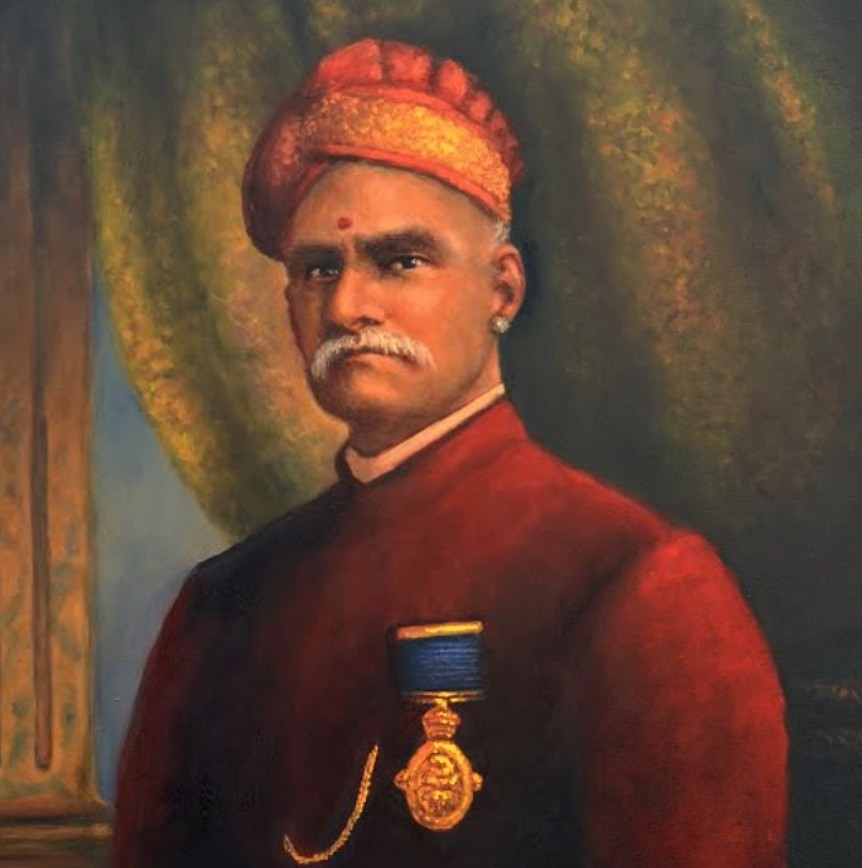
₹167 crore sale of a Raja Ravi Varma painting highlights the role of rarity, cultural value and market dynamics in art valuation.
About Raja Ravi Varma (1848–1906)
- Born in Kilimanoor (Travancore, Kerala)
- Belonged to the family of Maharajas of Travancore in Kerala and was addressed as Raja.
- He is called the father of modern Indian art.
Key Contributions
- Mastered the Western art of oil painting and realistic life study.
- Painted themes from Indian mythology, depicting scenes from popular epics like the Ramayana and Mahabharata.
- Established Printing Press: The Ravi Varma Fine Art Lithographic Press and the FAL Press, Bombay, was established in 1894 in Girgaum, Bombay (now Girgaon, Mumbai), Maharashtra.
- It was amongst the earliest in India to use large-scale printing technologies, and the first to mass-produce works of an eminent and established artist.
- Most famous works: Damayanti Talking to a Swan, Shakuntala Looking for Dushyanta, Nair Lady Adorning Her Hair, and Shantanu and Matsyagandha.
- Awards and Recognitions: Kaisar-i-Hind Gold Medal (1904) by Lord Curzon on behalf of the British Emperor; the citation formally used the title “Raja” for the first time.
- Values: Cultural Nationalism, Aesthetic Excellence, Humanitarianism, etc.
