
Personality in News: Adi Shankaracharya | Current Affairs | Vision IAS

Upgrade to Premium Today

Start Now
MENU
Home
Quick Links

High-quality MCQs and Mains Answer Writing to sharpen skills and reinforce learning every day.

Watch explainer and thematic concept-building videos under initiatives like Deep Dive, Master Classes, etc., on important UPSC topics.

A short, intensive, and exam-focused programme, insights from the Economic Survey, Union Budget, and UPSC current affairs.

ESC

In Summary

  • Adi Shankaracharya, born in 788 AD in Kalady, Kerala, propagated Advaita Vedanta, emphasizing the oneness of Atman and Brahman.
  • He established four major mathas in Sringeri, Dwarka, Puri, and Badrinath, and authored significant works like Bhaja Govindam.

In Summary

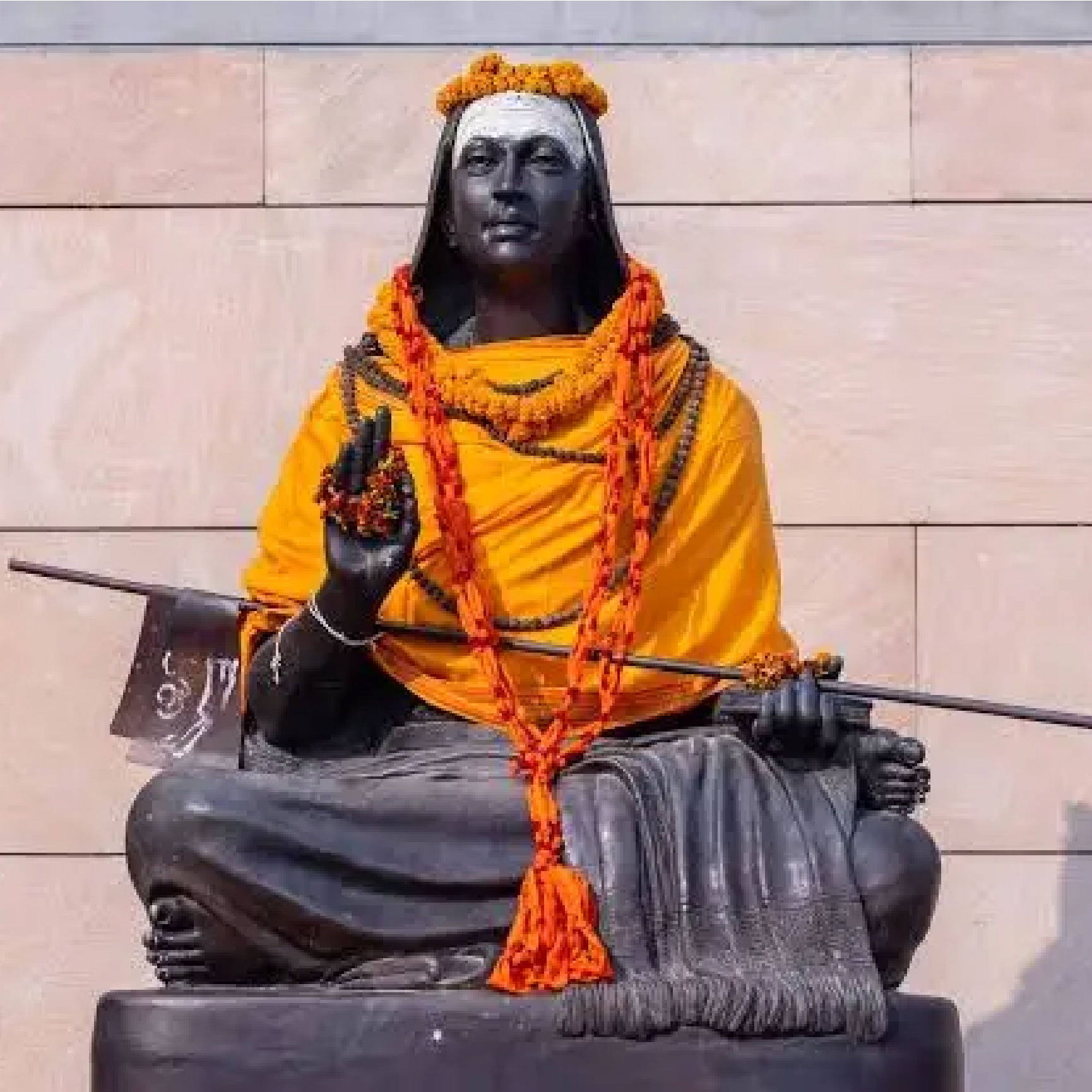
Adi Shankaracharya

The Prime Minister paid tribute to Adi Shankaracharya on his Jayanti.

About Adi Shankaracharya (8th Century CE) 

  • Born: He was born in 788 A.D. in Kalady, Kerala.
  • He propagated the concept of Advaita (non-dualism).
    • He taught that the individual soul (Atman) is not separate from Brahman (the ultimate, formless reality).
    • The perceived duality in the world is an illusion (Maya), and liberation (Moksha) comes from realizing the oneness of the individual.
  • He established four mathas in the four cardinal directions of India - Sringeri (South), Dwarka (West), Puri (East), and Badrinath (North).
  • Literary works: Bhaja Govindam, Atma Shatakam, Saundarya Lahari, etc.

source:

Watch Video News Today

Explore Related Content

Discover more articles, videos, and terms related to this topic

RELATED TERMS

3

Mathas

Monastic centers or institutions established by Adi Shankaracharya at four cardinal points in India (Sringeri, Dwarka, Puri, Badrinath). These were established to propagate Advaita Vedanta and consolidate Hindu traditions across the subcontinent.

Moksha

Liberation or salvation in Hindu philosophy, representing release from the cycle of birth, death, and rebirth (samsara). In Advaita Vedanta, Moksha is attained through the realization of the oneness of Atman and Brahman.

Maya

In Hindu philosophy, particularly Advaita Vedanta, Maya refers to the illusion or phenomenal appearance of the world that obscures the true nature of reality (Brahman). It is often described as the power that makes the one Brahman appear as many.

Title is required. Maximum 500 characters.

Search Notes

Filter Notes

Loading your notes...
Searching your notes...
Loading more notes...
You've reached the end of your notes

No notes yet

Create your first note to get started.

No notes found

Try adjusting your search criteria or clear the search.

Saving...
Saved

Please select a subject.

Referenced Articles

linked

No references added yet