


UN Trade and Development (UNCTAD) in its ‘Invisible Barriers: The Costs of Non-Tariff Measures’ Report highlights that global trade is increasingly being shaped by regulatory restrictions, technical standards and geopolitical trade interventions.
Key Findings of the Report
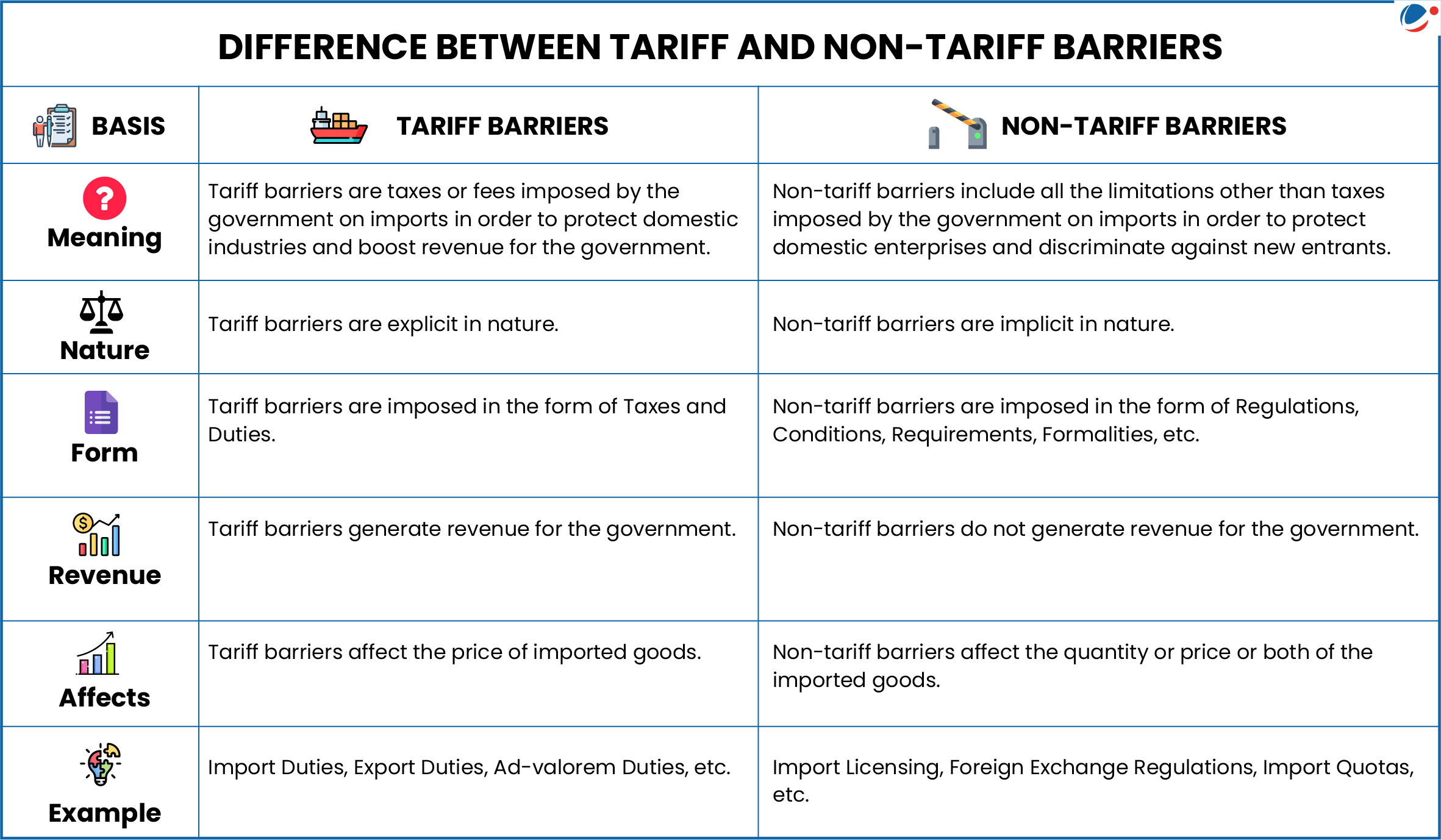
- Dominance of Non-Tariff Measures (NTMs): NTMs now impose higher export costs than tariffs for 88% of countries.
- Double Burden on Developing Nations: of both rising tariffs and heavy NTM compliance costs.
- Modern trade negotiations: have shifted away from simply lowering tariffs to focusing heavily on regulatory easing. E.g. EU-India Trade Deal.
- LDCs lose approximately 10% of their exports to G20 markets as they often lack the financial resources and accredited testing facilities to navigate complex regulations.
Recommendations of UNCTAD
- Enhance Transparency: It can reduce trade costs associated with non-tariff barriers by about 19 %.
- Fostering Regulatory Cooperation and Alignment: Aligning domestic regulations with international standards can reduce NTM related trade costs by 15-30% without compromising safety.
- Boosting South-South Trade Integration: Leveraging transparency and regulatory cooperation can strengthen trade among developing countries.
- Others: Capacity-Building and Technical Support, Empowering LDCs in Trade Diplomacy etc.
- Examples: Codex Alimentarius, International Plant Protection Convention (IPPC), World Organisation for Animal Health (WOAH) etc.
About UN Trade and Development (UNCTAD)
|



