


Introduction
The Wellbeing Research Centre at the University of Oxford, in partnership with Gallup and the UN Sustainable Development Solutions Network, published the annual World Happiness Report (WHR), 2026.
Key Highlights of the Report
- Finland retained its title as the world's happiest country for the ninth consecutive year.
- India has shown little progress in 2026, rising from the 116th from the 118th position in 2025.
- In South Asia, India still trails behind several of its neighbours, e.g. Nepal ranks 99th and Pakistan 104th.
- The report ranks countries based on key factors: income, social support, healthy life expectancy, freedom to make choices, generosity, and perception of corruption.
- The report warns that heavy social media use is linked to a significant decline in well-being among young people, causing drops in population-level mental health.
What is happiness?
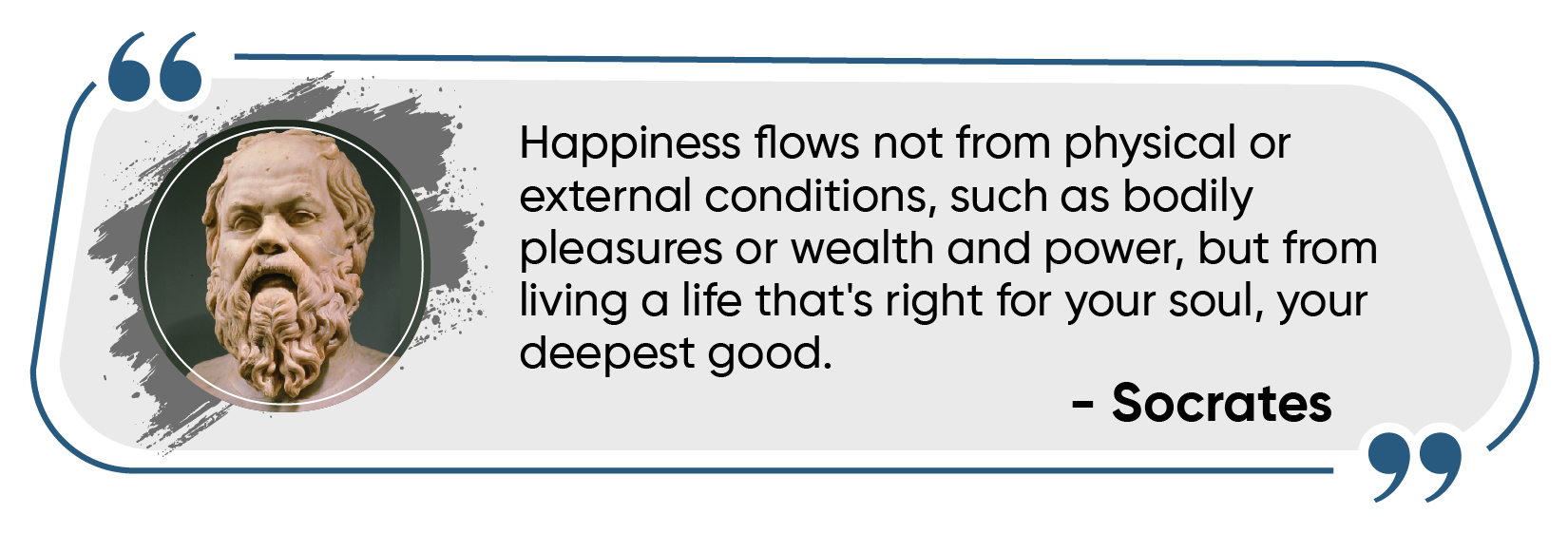
Happiness is a multifaceted concept that holds different meanings across various cultures and individuals. The World Happiness Report measures it practically by asking individuals to evaluate their current lives on a scale of 0 to 10 (the Cantril Ladder), treating happiness as an overarching judgment of life quality.
Theoretical Framework to understand Happiness
|
Key ethical concerns about India's poor rankings in the WHR
India's position highlights a paradox: high economic growth but moderate happiness levels. This indicates-
- Inequality and Justice: Economic gains are unevenly distributed.
- Violates the principle of distributive justice (Rawls).
- Trust Deficit: Perceived corruption and weak institutional trust.
- Undermines the ethical legitimacy of governance
- Social Fragmentation: Rising individualism, social tensions.
- Weakening of community bonds and empathy
- Mental Well-being Crisis: Stress, unemployment, and high social media usage.
- Neglect of emotional and psychological dignity.
How can India ensure the happiness of her citizens?
- Promote Ethical Governance: Ensure transparency, accountability, and reduce corruption.
- Example: Digital India initiatives (e-governance, DBT) reduce leakages and enhance trust.
- Strengthen Social Capital: Build trust, community participation, and social harmony.
- Example: Self-Help Groups (SHGs) and community-led programs enhance solidarity and mutual support.
- Focus on Inclusive Development: Reduce inequality and ensure last-mile delivery.
- Example: Aspirational Districts Programme targets backward regions for holistic development.
- Prioritize Mental Health and Well-being: Recognize happiness beyond physical needs.
- Example: National Mental Health Programme and workplace wellness initiatives addressing stress and depression.
- Value-Based Education: Promote empathy, ethics, and civic responsibility.
- Example: Introduction of life skills and value education under the National Education Policy 2020.
Teaching happiness in school
|
Conclusion
The World Happiness Report 2026 reinforces that happiness is the ultimate test of ethical governance. India's ranking is a reminder that development must be inclusive, compassionate, and just. A truly ethical state is one where citizens not only live longer but live happier, dignified, and meaningful lives.
Ethics Case StudyIndia has recently shown marginal improvement in the World Happiness Report rankings, moving from 118th position in 2025 to 116th in 2026. However, despite being one of the fastest-growing economies in the world, the country continues to lag behind several of its neighbors in terms of overall well-being. A district magistrate (DM) in a rapidly urbanizing district observes a worrying trend:
The DM is under pressure from higher authorities to focus primarily on economic indicators such as infrastructure development and investment inflows. However, civil society groups are demanding initiatives aimed at improving mental well-being, social cohesion, and ethical governance. At the same time, the DM is considering introducing a "District Happiness Initiative" inspired by programs like the Delhi Happiness Curriculum and Bhutan's Gross National Happiness model. However, there are concerns about feasibility, measurement of outcomes, and administrative burden on already overstretched staff. Questions
|

